Your business requires regular cleaning scheduled according to risk factors, operational volume, food allergen presence, and regulatory checks, combined with documented records supporting food safety protocols, inspection results, and government health requirements. The information below detail essential sanitation program components.
Key Takeaways
- Brampton sanitation experts assist restaurants, grocery departments, commissaries, warehouses, bakeries, schools, mobile vendors, and allergen-sensitive operations.
- They treat high-touch surfaces, food-contact equipment, kitchens, floors, drains, restrooms, and storage areas using zone-based workflows to prevent cross-contamination.
- Filing of conclusion through tests, assessments, and corrective-action records validates certified providers have validated approved sanitizer dilution, alignment, and contact time.
- Maintenance calendars need to adhere to hazard, production volume, transitions, incidents, and regulations, with routine, regular, and cyclical tasks designated by location.
- Select suppliers with hazard analysis knowledge, public-health, expertise, WHMIS, education, coverage, endorsements, coded equipment, and audit-ready sanitation documentation.
Which Brampton Operations Need Food Safety Cleaning?
Brampton operations that handle, store, prepare, package, or serve food require food sanitation. Implement it if your establishment is falls under public health inspection, food premises regulations, or internal HACCP-based controls. The requirement covers restaurants, cafeterias, commissaries, grocery food departments, butcher shops, seafood counters, convenience stores, and institutional kitchens.
You also need adherent sanitation protocols in storage facilities, food production centers, refrigerated locations, bakery retailers, school meal programs, event venues, and food distribution hubs. Temporary and mobile establishments count too, including catering vehicles, market vendors, and seasonal stalls. If your staff handle ingredients, section prepared foods, heat finished items, or keep allergens stored, your facility needs established sanitation documentation. In Brampton, cleanliness isn't voluntary; it's part of statutory, business, and public health compliance.
What Services Do Brampton Cleaning Experts Provide?
You need cleaning experts who sanitize high-touch surfaces, kitchen areas, floor surfaces, and restrooms to comply with food safety and health regulations. They focus on these spaces because they pose the greatest danger for contamination spread, slip hazards, and sanitation breaches.
If you grasp what they sanitize, you'll successfully ensure your operation satisfies required operational and regulatory standards.
Essential High-Touch Surface Disinfection
arrange disinfection intervals determined by usage patterns, exposure levels, and facility operations.
Preventing secondary contamination by swapping cloths, implementing unidirectional processes, and separating supplies by area confirms your sanitation program remains measurable, documented, and compliance-ready.
Kitchens, Floors, and Restrooms
Brampton cleaning professionals will handle kitchens, floors, and restrooms since each space presents different hygiene concerns, slip-and-fall, and community health challenges. In industrial kitchens, you need degreasing on cook lines, equipment exteriors, drains, prep surfaces, and splash zones to reduce contamination and pest pressure.
Floor care that is recorded should equally be anticipated. Technicians scrub and extract buildup from grout, tile, and vinyl flooring, then apply suitable dehydration methods so you can reduce slip incidents and maintain code-compliant conditions. They also handle entryways where moisture and debris migrate indoors.
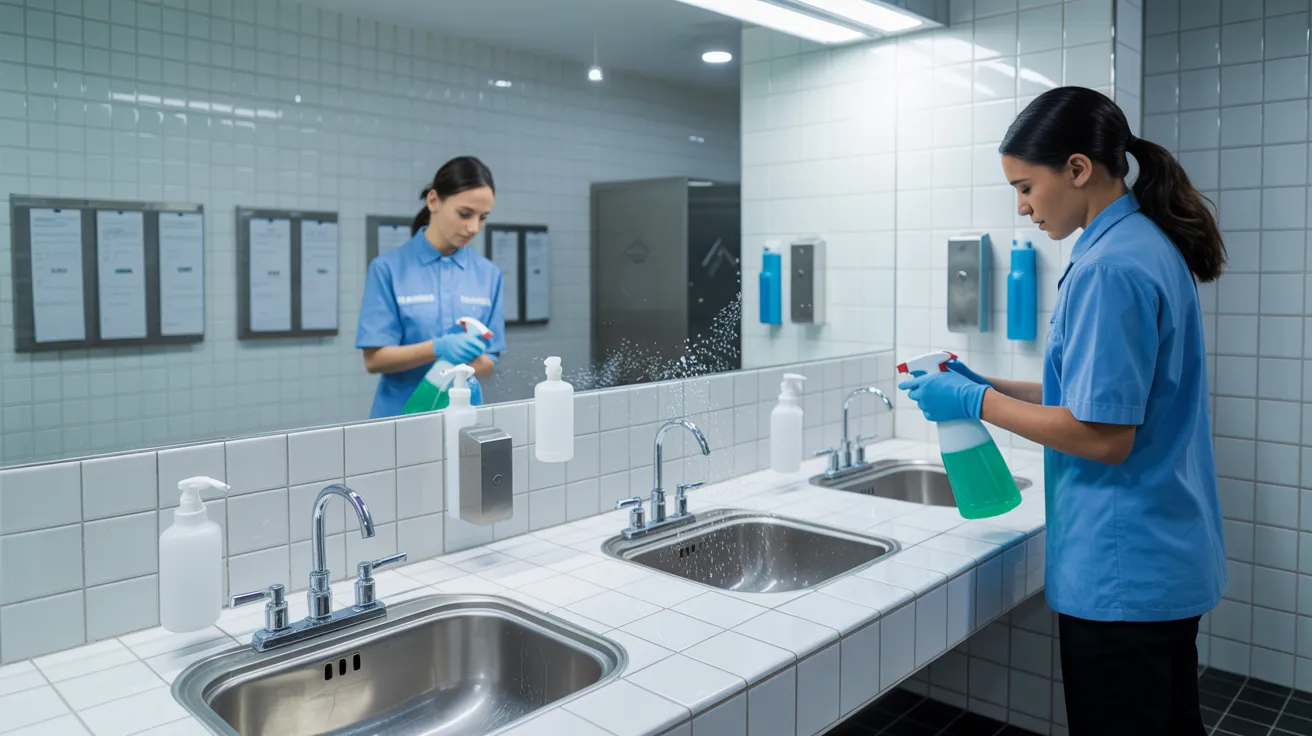
Restroom cleaning requires disinfecting touchpoints, fixtures, partitions, dispensers, and waste containers, replacing items and managing smells. They also maintain restaurant cleaning supply rooms where product storage, sink cleanliness, and drain systems impact daily sanitation standards and worker protection.
The Importance of Food Safety Cleaning in Brampton
To comply with regulatory mandates and succeed in audits, Brampton establishments must maintain appropriate cleaning protocols. You also reduce bacterial spread through proper cleaning of food-preparation surfaces, appliances, and frequently-touched items. Most importantly, you help protect community wellness by reducing the chance of food poisoning in your establishment.
Health Code Compliance
Brampton food companies must comply with strict public health standards, so cleaning procedures is key to satisfying health codes, ensuring the safety of customers, and eliminating penalties. You must maintain sanitized food contact points, recorded sanitation plans, safe chemical management, and traceable training practices that align with municipal and provincial inspection expectations.
Effective hygiene procedures aids in reducing allergen risks by decreasing contaminants buildup on common tools and frequently touched surfaces.
Cross-Contamination Control
Maintaining health code standards copyrights on your power to stop cross-contamination during daily food handling and cleaning. You must separate raw ingredients from ready-to-eat foods, sterilize work zones between assignments, and position cleaning agents away from food surfaces. Explicit protocols lower contamination threats and support consistent compliance during inspections.
Building allergen segregation prevents key allergens from reaching common workstations, storage, or apparatus. Leverage separate cutting boards, colored implements, and strict utensil labeling so team members won't blend products during preparation or service.Mandate hand cleaning following uncooked meats, shellfish, egg items, or allergen substances. Refresh cleaning cloths frequently, and confirm disinfectant efficacy using test strips. When you train staff to follow these controls each shift, you foster a cleaner, more secure operation that exceeds Brampton's safety standards daily.
Public Wellness Protection
If food safety cleaning declines, you don't merely risk a failed inspection—you boost the probability of pathogenic contamination harming customers, staff, and the broader Brampton area. You also undermine your responsibility in protecting public health, especially in high-traffic food premises where contamination can spread quickly through surfaces, equipment, and touchpoints.
You need cleaning protocols that remove contaminants, sanitize effectively, and confirm results. This involves maintaining exposure durations, using authorized sanitizers, documenting procedures, and educating staff to meet regulatory requirements. These measures prevent pathogen control by decreasing microbial counts before reaching surfaces or food. Throughout Brampton, strong cleaning safeguards susceptible populations, reduces outbreak risk, and demonstrates your diligence. When you adhere to standards, you exceed regulations—you mitigate risk and facilitate secure food handling region-wide.
Why Is Cleaning Essential for Food Safety Compliance?
Maintaining strict sanitation practices strengthens food safety compliance by reducing contamination risks, controlling pathogen growth, and keeping your facility aligned with sanitation requirements under HACCP-based programs and public health regulations. You verify that food-contact surfaces remain visibly clean and microbiologically controlled, facilitating documented preventive controls and inspection readiness.
Conscientious cleaning also strengthens allergen management by clearing residues that can lead to undeclared allergen exposure. When you integrate established sanitation practices with regulatory training, your staff can implement consistent approaches, apply approved chemicals correctly, complete records thoroughly, and manage deviations ahead of they escalate. Ongoing cleaning promotes traceability, verifies corrective steps, and proves due diligence in audits. Furthermore, it aids you preserve product integrity, copyright regulatory compliance, and minimize the risk of regulatory actions, mass recalls, grievances, and avoidable safety threats.
What's the Right Time to Plan Commercial Cleaning?
cleaning routines or between production runs wherever food contact surfaces, washrooms, and high-contact zones
daily routines
How Do You Choose Brampton Cleaning Experts?
Screen providers initially by their food-safe sanitation requirements—not budget alone. You need to confirm that every company meets CFIA, public health, and HACCP-aligned expectations for your operation. Demand insurance verification, WHMIS compliance, training records, and management systems. Evaluate technician knowledge of cross-contamination risks, chemical safety, and documented sanitation practices.
You must also evaluate business consistency and oversight. Seek references from Brampton food companies, then assess response speed, corrective processes, and communication quality. Ensure the company enables supplier checks and can provide inspection-compliant records when authorities or third parties demand verification. Verify equipment is maintained, colour-coded tools are deployed correctly, and operational-specific risks are understood. A reputable service protects compliance, product safety, and your market standing.
Which elements are contained in a Food Safety Cleaning Plan?
Write out a plan that defines every sanitation task, standard, and responsibility before starting production. You should include cleaning schedules, approved products, ratios, contact periods, tools, and validation approaches for each area, surface, and device. Remember to add pre-operational inspections, corrective actions, and employee training requirements.
Your program should also cover contamination prevention, garbage management, pest control procedures, and recorded timelines for bathrooms, drainage systems, surfaces, and food-preparation zones. Explain how you'll keep raw and prepared foods apart, support ingredient tracking, and maintain accurate allergen labeling through validated cleaning between product changes. You should designate accountability, maintain signed records, and review results against regulatory standards, HACCP controls, and customer requirements. When gaps appear, revise procedures immediately and re-educate staff.
Frequently Posed Questions about the Plan
Can sanitation providers support nighttime operations in Brampton properties?
Yes, you can book cleaning services to support nighttime operations in Brampton facilities. You'll coordinate nighttime cleaning around operational windows, access controls, and staffing requirements. Providers typically establish nightshift procedures to minimize interruption, ensure compliance, and document completed tasks. You should confirm arrival timeframes, supervision, lockout procedures, and disposal methods before beginning service. If you operate controlled environments, you'll also want cleaning records that support inspections and internal quality assurance.
Can sanitation professionals handle emergency spill response?
Yes, you can locate several read here Brampton sanitation experts offering emergency response options. They handle contamination, assess dangers, isolate zones, and perform swift decontamination to minimize risk and prevent disruption. You should confirm timeframes, training credentials, safety measures, and disposal methods. If your facility needs compliance, pick a provider that documents incidents, follows procedures, and ensures verification.
Will green disinfectants clean safely surfaces contacting food?
In essence, green disinfectants remain safe for food-handling equipment provided you select items marked food-safe that comply with regulatory requirements. Verify contact times, dilution ratios, and rinse requirements prior to application. Natural-based solutions minimize toxic chemical contact, although you require proof of efficacy against harmful bacteria. For maintaining residue free surfaces, stick to manufacturer directions precisely and ensure the sanitizer complies with food industry regulations.
Can cleaning plans flex with seasonal shifts?
Certainly, sanitation programs respond to seasonal shifts effectively. Adapt intervals, staff levels, chemicals, and testing procedures to fit with production rhythms while upholding compliance standards. Limit production interruptions via planning cleaning alongside changeovers, high demand periods, and equipment use patterns. Additionally modify SSOPs, employee training, and facility monitoring to address periodic risks, emerging allergens, or increased soiling. Scheduled reviews preserve your strategy functional.
Do commercial cleaners train staff on hygiene standards?
Yes, commercial cleaners typically educate your staff on sanitation best practices. You receive staff training on proper chemical use, contact times, cross-contamination prevention, equipment disassembly, and record keeping. They typically align instruction with HACCP, GMP, and CFIA or local public health requirements. Many perform sanitation audits to verify compliance, spot deficiencies, and strengthen remedial steps. This allows you to maintain consistent procedures, pass inspections, and reduce food safety risks regularly.
Closing Remarks
When you partner with Brampton food safety and commercial cleaning experts, you don't just tidy up—you keep your operation inspection-ready and your protocols compliant. From processing areas to kitchen spaces, every clean surface and maintained area helps reduce unwelcome guests and avoid expensive problems. By scheduling service at the right intervals and following a clear cleaning plan, you protect employees, customers, and your brand image. In a tightly regulated environment, clean spaces are essential—they're part of doing business right.